

Root canal treatment might not sound like the most exciting topic in the world — but if you have ever had a toothache that refuses to quit, it can quickly become your new best friend. A root canal is designed to remove infection from inside the tooth, ease discomfort and help save your natural tooth.
In simple terms, your dentist carefully removes the infected nerve and pulp tissue from the affected tooth, cleans the area and seals it so the tooth can get back to doing what it does best: helping you bite, chew and smile with confidence.
Now, let’s deal with the big myth: root canals are not the horror story they are sometimes made out to be. Thanks to modern dental anaesthetics, mostroot canal treatments are pain free. In fact, living with an infected or decaying tooth is usually far more uncomfortable than the treatment itself, which often feels similar to having a filling.
So, how do you know if your tooth is waving a little red flag?
1. Tooth pain that keeps making itself known
The most common sign that you may needroot canal treatment is tooth pain. It can be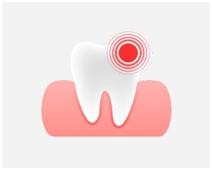 mild, intense, constant or come and go throughout the day. You may notice it more when biting down, or your tooth may suddenly object to hot drinks, cold treats or certain foods.
2. Swelling around the face, gums or jaw
Swelling can appear in the gum area around an infected tooth. It may feel tender, sore or slightly raised, and in some cases, you might notice a small lump. Sometimes a gum boil can form too, which is your mouth’s way of saying, “something needs attention here.”
3. A pimple-like bump on your gums
A small pimple-like lesion on the gum, also known as a fistula, can be caused by infection inside the tooth. It may change in size over time and can sometimes be linked with an unpleasant taste, as it may act as a drain for the infection.
What happens during root canal treatment?
Root canal treatment can help preserve your natural tooth — and the sooner it is treated, the better the chance of saving it. First, the tooth is anaesthetised so you should not feel pain during treatment. Your dentist
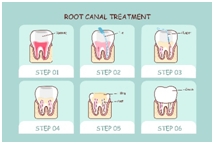
then makes a small opening in the tooth, cleans and disinfects the root canals, fills them and may place a crown to help strengthen and protect the tooth.
If you spot any of these signs, do not ignore them and hope they will magically disappear. Book an appointment with your dentist so the tooth can be assessed and any problems treated quickly, helping to relieve pain and protect your smile.
Want to know more about how root canal treatment can help you keep your natural teeth for longer? Call College Dental Surgeries on 01622 752340 and one of our friendly team members will be happy to help.