

We all know the sound: the rumble, the whistle, the full-on nighttime soundtrack that can turn a peaceful bedroom into something closer to a small engine room.Snoring happens when the lower jaw and tongue relax backwards during sleep, narrowing the airway. As the lungs pull air through that smaller space, the soft tissues in the throat and behind the tongue can vibrate — and that vibration is the noise we recognise as snoring.
Snoring is incredibly common, but that does not mean it should be ignored. For some people, it can lead to broken sleep, daytime tiredness, poor concentration, irritability and mood changes. It can also put pressure on relationships — especially when one person is sleeping soundly and the other is lying awake planning a spare-room escape.
If snoring is affecting you, your partner or the whole household, the good news is that there are practical steps that may help. Here at College Dental Surgeries, we have put together some top tips to help you move closer to quieter, calmer nights.
Start with the simple sleep wins
For many people, small lifestyle changes can make a real difference. Losing excess weight, reducing alcohol intake, increasing exercise and sleeping on your side rather than your back may all help reduce snoring. Think of it as giving your airway a little more room to breathe.
Surgery: an option, but not a magic wand
Surgery can sometimes be considered when other treatments have not helped. However, results can vary and snoring may return, so it is important to get professional advice before going down this route.
Nasalstrips and dilators: helpful for some, but not for all
Nasal strips and nasal dilators are popular because they are simple and easy to try. They are 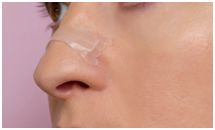 designed to open the nasal passages and improve airflow through the nose. They may help if nasal blockage is part of the problem, but many snoring issues begin further back in the throat, where these products may have limited effect.
Sleep pillows: a nudge in the right direction
Special sleep pillows aim to keep the airway more open by encouraging a better sleeping position. They can be useful for mild snoring, especially if you tend to roll onto your back. Of course, most of us do not stay perfectly still all night — so pillow power has its limits.
Meet the mouth guard-style solution: Somnowell
One of the most well-researched approaches for reducing snoring is a mandibular advancement appliance. It looks a little like a mouth guard and is worn at night. By holding the lower jaw slightly forward, it helps stop the tongue from falling backwards and keeps the airway more open. At College Dental Surgeries, we use the Somnowell mandibular advancement appliance, which is custom-made to help improve comfort and support better airflow while you sleep.
Ready to swap the nighttime noise for a little more hush? Call College Dental Surgeries on 01622 752340 to book an appointment and talk to us about whether the Somnowellappliance could help you enjoy a quieter, more restful night’s sleep.